Flashing is the clear failure
The skylight unit is sound and the water path is tied to a repairable flashing detail.

Updated October 1, 2026
A leaking skylight does not automatically need replacement. The better decision depends on whether the failure is in the surrounding roof, flashing, skylight assembly, or glazing—and whether the unit is still serviceable.
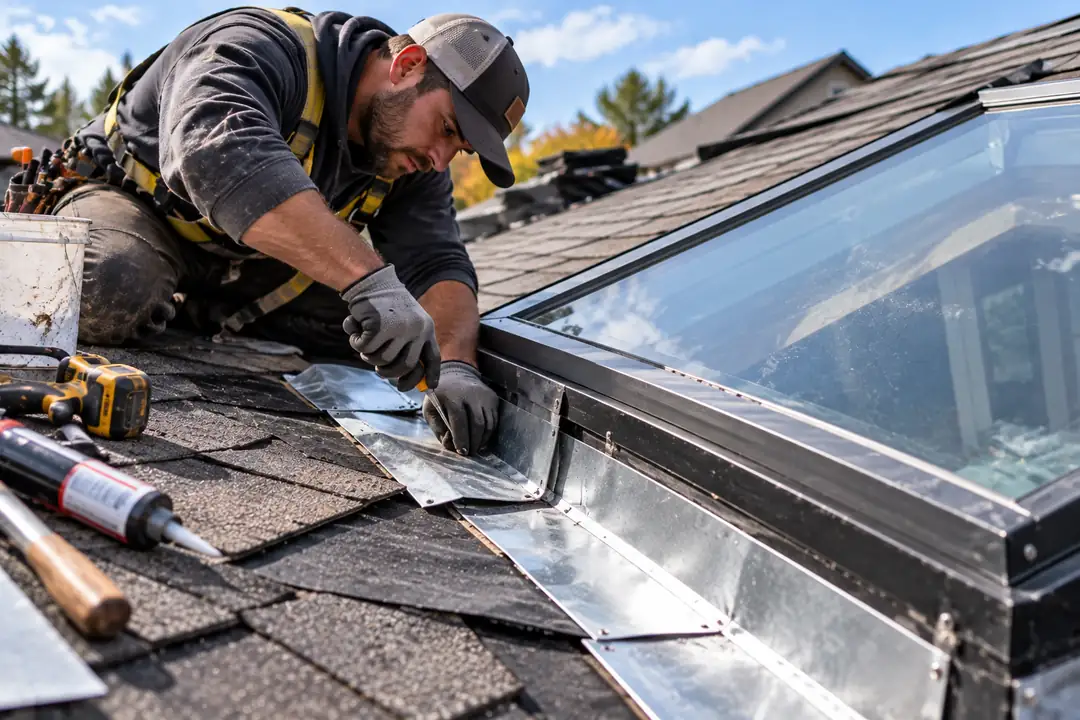
A skylight can leak because of surrounding roofing, flashing, frame or seal problems, glazing damage, or another nearby water path. That means the repair-versus-replacement decision should begin only after the failed component is identified.
A water stain alone cannot tell you whether the skylight itself is bad. It only tells you where moisture became visible.
A localized roof or flashing failure can often be addressed without replacing a skylight that is otherwise serviceable.
The skylight unit is sound and the water path is tied to a repairable flashing detail.
The surrounding shingles, underlayment, and deck do not show broader deterioration.
The problem is limited to one skylight or one transition rather than multiple roof areas.
There is no significant physical damage or unit-level deterioration.
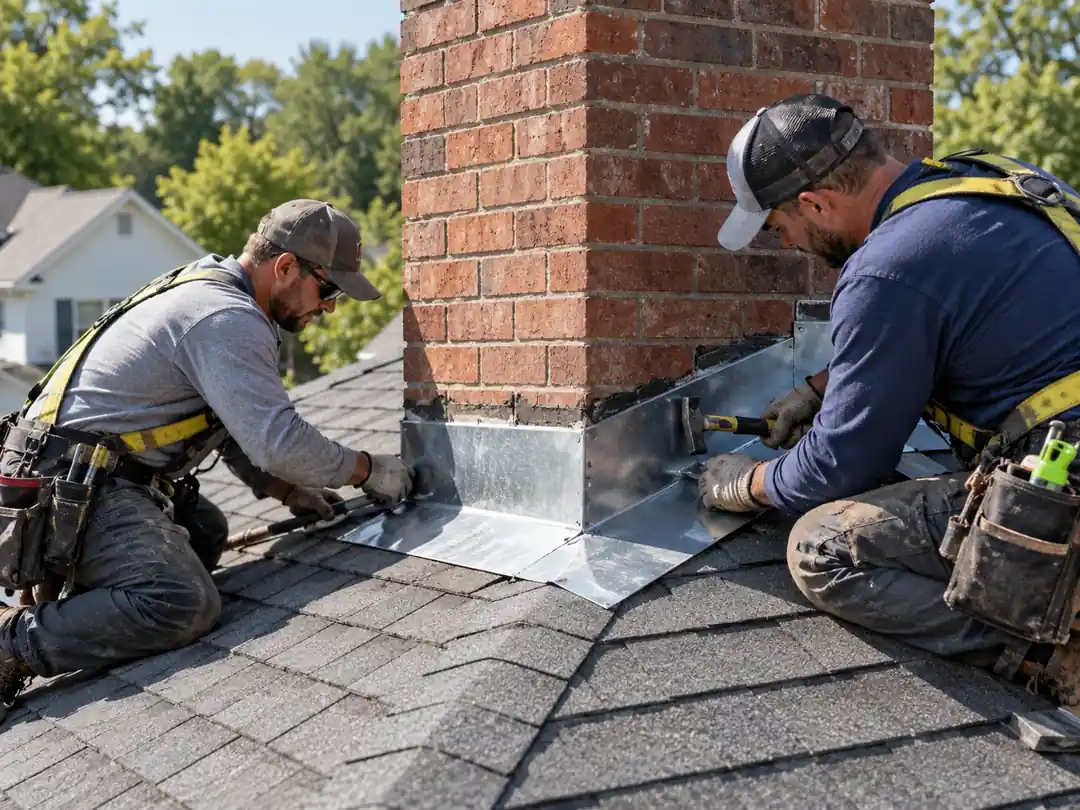
Replacement becomes more relevant when the skylight itself is substantially deteriorated, the glazing has failed, the frame is damaged, or localized repair would leave a compromised unit in place.
Other practical considerations can include whether the existing unit can be re-flashed correctly, whether replacement parts are available, and whether surrounding roof work already requires the skylight to be removed.
Skylight flashing is designed to work with the roof covering to shed water around the opening. Manufacturer guidance for common skylight systems shows different flashing arrangements for shingles, tile, metal, deck-mounted, and curb-mounted installations.
If the unit itself is sound but the flashing system is the failure, the repair may be a roof-detail problem rather than a skylight-replacement problem. See Roof Flashing Repair in Lakeland for the broader component-specific service.
If the skylight were completely dry and undamaged, would the surrounding roof detail still need repair? If yes, the roof or flashing may be the more important scope.
The City of Lakeland's general permit guidance says building repair work generally requires permits subject to limited exceptions, and its storm-repair guidance specifically lists skylight replacement as permit-required work.
That does not mean every small leak follows the same permit path. The actual scope should be confirmed after diagnosis and before work starts.
The repair decision can change depending on which part has failed. The roof opening, curb or deck mount, flashing, frame, glazing, gaskets, operating hardware, and surrounding roof covering all perform different jobs.
If water enters through nearby roofing rather than the skylight, the unit may not need replacement at all.
Flashing can often be corrected separately when the skylight itself remains in good condition.
Cracked glazing, frame deterioration, or failed insulated glass can shift the decision toward unit-level work.
Venting skylights may also have hardware, motors, or seals that affect whether repair is practical.
If the surrounding roof is already scheduled for replacement, the economics and access change. The skylight flashing will usually be disturbed as the roof covering is removed, which creates an opportunity to evaluate whether keeping an older skylight makes sense before new roofing is installed around it.
That still does not mean every skylight should be replaced automatically. The decision should consider unit condition, parts availability, glazing performance, and whether the existing skylight can be integrated correctly with the new roof system.
Replacing a failing skylight after a new roof is installed can mean reopening roof materials that were just completed.
Modern skylight manufacturers use specific flashing systems for different roof materials and mounting styles. If an older unit no longer has compatible components or the existing installation cannot be integrated correctly with the roof, replacement may become more practical.
Before authorizing work, it is also worth checking any remaining manufacturer warranty and whether the proposed repair method affects that coverage.
First, is the skylight unit itself structurally and visually sound? Second, is the leak source clearly repairable without compromising the rest of the installation? Third, would the repair reasonably avoid reopening the same area again soon?
If all three answers are favorable, localized repair may be sensible. If the unit itself is failing or the repair would leave a compromised assembly in place, replacement deserves stronger consideration.
These are not automatic rules, but they show how the failed component changes the decision.
The unit itself is intact, but water enters at the roof interface. This scenario usually points toward flashing or surrounding-roof repair rather than replacing the skylight solely because it leaked.
The roof detail may be fine while the skylight unit has physical damage. Unit-level repair or replacement becomes more relevant.
Because the roofing around the skylight will already be opened, replacement may deserve consideration if keeping the existing unit would create near-term rework.
Do not jump directly to replacement. First confirm whether prior repairs were aimed at the wrong component or whether the skylight assembly itself is genuinely failing.
Homeowners are often presented with a simple repair-versus-replacement choice, but the real situation can be more nuanced. If the skylight is serviceable and the leak source is a surrounding roof detail, the immediate work may be to correct that roof detail while continuing to monitor the skylight itself.
This approach is different from repeatedly applying sealant. The objective is to fix the confirmed water path while avoiding unnecessary replacement of a component that is still performing.
If later evidence shows glazing failure, frame deterioration, or another unit-level problem, replacement can be reconsidered based on new information rather than assumed from the first stain.
The fact that water appears near a skylight does not prove the entire skylight assembly has reached the end of its useful life.
Often, yes, when the skylight remains serviceable and the failed component is the surrounding flashing or roof detail.
Not by itself. Physical condition, glazing performance, frame condition, leak source, and repair durability matter more than a single age threshold.
City storm-repair guidance specifically lists skylight replacement as work requiring a permit. Confirm the requirement for the actual property and scope.
Not necessarily. Repeated patch failure can indicate unresolved flashing or roofing problems, so the leak source should be diagnosed before deciding on replacement.
These references provide general technical, weather, cost, or permitting context. They do not replace inspection of a specific roof or skylight.
Describe where the moisture appears and when it happens so the roof, flashing, skylight assembly, and condensation can be separated logically.